


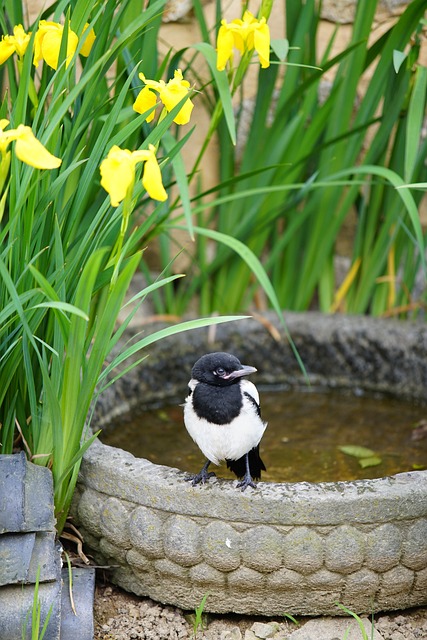
“You can cut all the flowers but you cannot keep spring from coming” – Pablo Neruda. Spring weather is around the corner! In northern climates especially, this is a time we look forward to getting outside more to enjoy warm weather and nature springing to life again. Whether you’re new to gardening or a seasoned gardener, now is the time to get your green thumbs out of hibernation to plan and prepare for the spring and summer gardening season. While March month holds the first day of spring, in temperate climates, the weather still may be too cold to start outdoor gardening tasks. Usually, weather lets us know if spring has finally started. In this case, early spring can be said to begin when temperatures are moving upwards and staying above freezing. Many plants now would be almost ready to break dormancy but not actively growing until later.
However, getting a head start on some planning and spring tasks will free up your time to spend on other gardening activities. Here’s some gardening tasks to getting a head start and later enjoying the fruits of your labour of a beautiful, productive and rewarding garden.
CREATING YOUR GARDEN DESIGN
PLANT AND SEED SELECTION
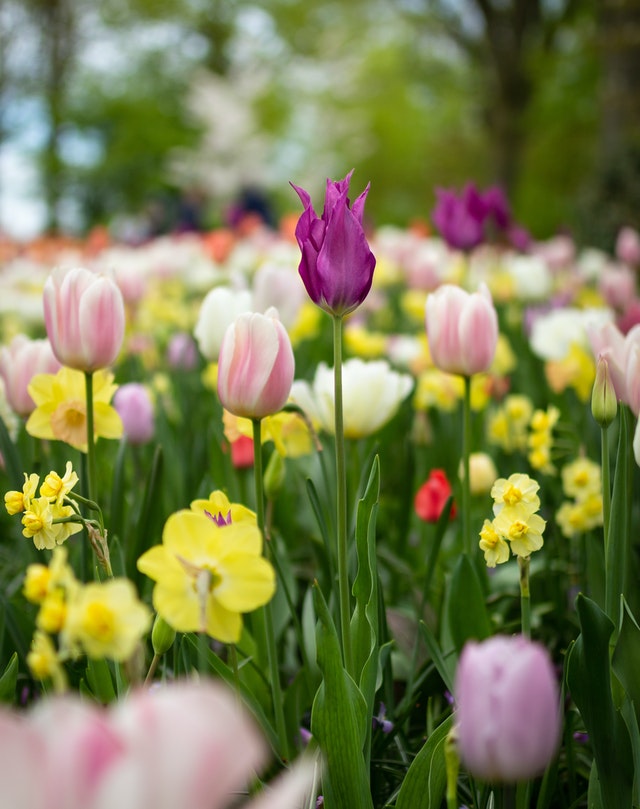
“In every gardener there is a child who believes in The Seed Fairy” – Robert Breault. Prior to early spring, you can start by thinking about what you would like to grow in your garden and the garden’s layout. Use this time to let your creative juices flow and imagine what your garden would like to look like and what you would like to grow. If you are looking to create a biodiverse wellness garden, this is stage is useful to maximize the wellness outcome for both you and biodiversity.
Do some research and decide whether you will be planting seeds, bulbs and/or plants, your needs, and whether these are flowers, edible fruits, vegetables, shrubs and/or trees. Research your plant choices when choosing plants, bulbs, shrubs, trees, seeds and seedlings and pick according to what are ideal for your area and planting zone, microclimate and soil type. There are many gardening guides available that can identify when the best time is to plant your specific trees, shrubs, flowers and vegetables based on your area and what particular plants thrive well in your zone and microclimate. The Farmer’s Almanac is a good resource providing dates for indoor and outdoor seed planting and when to transplant. Do some research on what plants attract biodiversity and support human wellness and what plants grow well in your region and microclimate.
Some varieties of plants and seeds are disease resistant, drought tolerant and have higher germination rates. It can also be helpful to pick frost resistant seeds and consider days to maturity, as the length of your season can help you figure out which flowers and vegetables can get a head start inside in pots or which ones can be planted early outside. For example, you can opt for finding varieties with a shorter number of days to maturity for shorter growing season areas. This is a benefit for northern areas where summers and warmer temperatures are short.
CREATE A PLANTING SCHEDULE
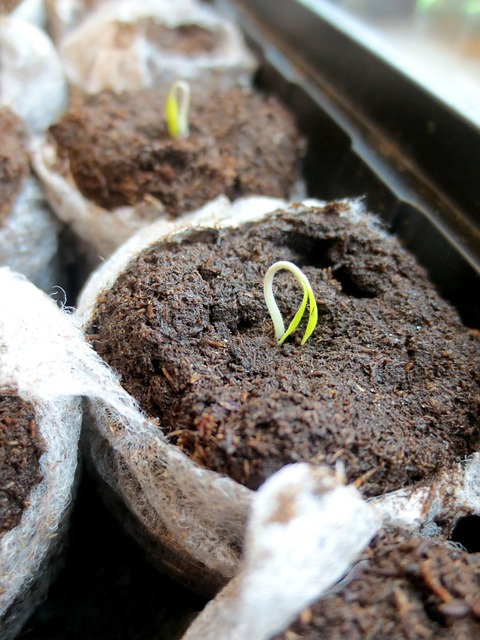
After you’ve established what you would like to plant, create a planting schedule to ensure you have your plants, bulbs and seeds in the soil when they need to be. Timing is key when gardening and many plants have certain time frames to get them down in soil to mature properly. This is particularly important if you live in a shorter growing season area. Depending on the plant, some should be planted indoors and then transplanted outside to mature well during the growing season. Also, some plants, if starting by seeds, need to be in a biodegradable peat pot and not plastic to ensure the roots are undisturbed when planted in the soil outside. Conversely, other plants prefer to be planted outside from the start. Similarly, some plants withstand cold fine; while other plants must be planted after the risk of frost has gone.
DESIGN YOUR GARDEN BED LAYOUT
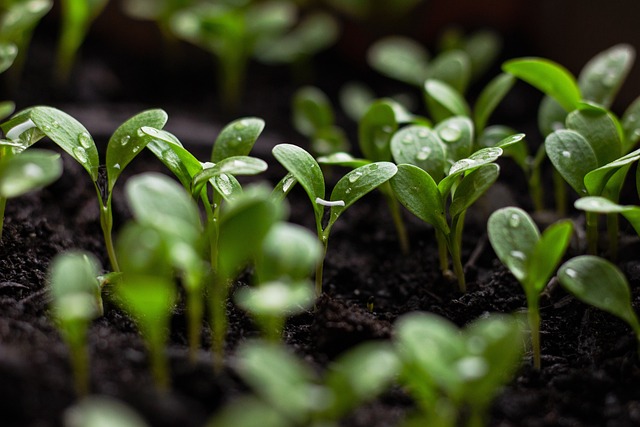
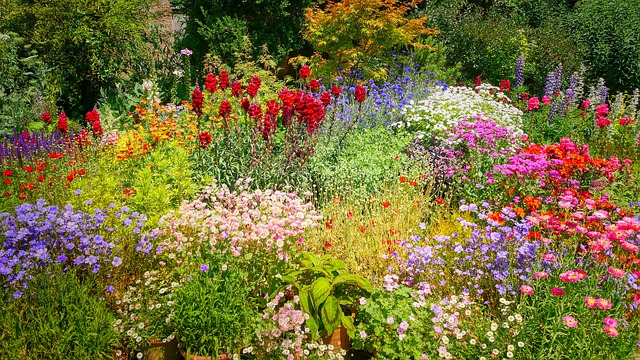
“Where flowers bloom so does hope” – Lady Bird Johnson. Designing your garden beds can also be done ahead of time and is a fun activity to do. Once you’ve picked out the plants, bulbs and seeds, which work well for your area, you can envision how you’d like your garden to look and feel like. If you’ll be designing a biodiverse wellness garden, think about if you’d like to establish for example, a calming or energizing feel to your garden. This will help you decide on the colour scheme of your plants for instance. If you’re also choosing plants to attract biodiversity, certain colours, scents and flower shapes can entice particular wildlife. For example, hummingbirds are attracted to brightly coloured, tubular flowers. Monarch butterflies lay their eggs on the milkweed plant and their offspring – monarch caterpillars eat the leaves. Wildlife thrive in a diverse mix of plant species, so using companion plants together and a number of different plant species is beneficial. For example, you can mix vegetables and herbs with flowering plants. I like to plant aliums in my flower beds as they help ward off insect pests. Basil and tomatoes grow well together, and marigolds help ward off pests too so these can be planted with plants like peppers. However, some plants, particularly vegetables do best in neat rows with uniform spacing, so find out what plants thrive under specific conditions and what plants like to be planted next to each other. For instance, squash and naturisms work well together, but potatoes and tomatoes are better apart.
Even if you’re not planning to establish a complete biodiverse wellness garden, having a few plants which support biodiversity and human wellness make a positive impact overall. And while not all of us are artists, making a simple sketch of your garden beds for your planting arrangement is helpful and rewarding when you see the result of your beautiful garden.
TAKING INVENTORY
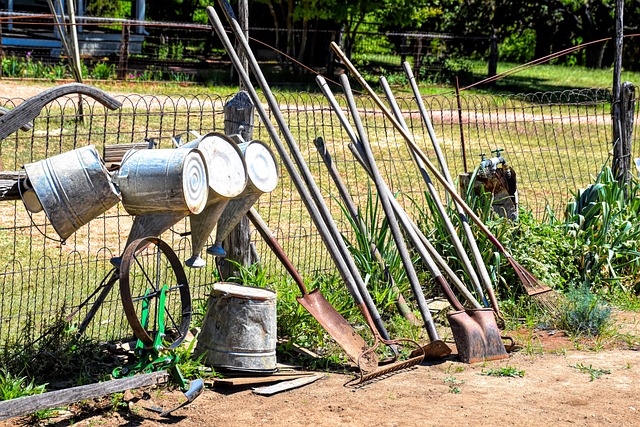
Now is a good time to take stock of your garden items. Perhaps there are garden tools that need to be replaced or repaired. Gardening centers usually start stocking items before spring happens so you can start replenishing or fixing certain items to free up your time later. As spring brings rain to many regions, now is a good time to install a water butt to collect rainwater for watering your garden, making it an environmentally friendly feature. Rainfall is also the most ideal type of water for plants since tap water is usually slightly alkaline.
SPRING CLEANING AND AND PREPPING GARDEN ITEMS
Once it’s safe to put your snow shovel and other winter gear away, we can start spring cleaning your garden and garden items. Cleaning your tools and containers minimizes plants being contaminated by bacteria, virus and fungus. Some cleaning ideas include: tools rinsed off in a bucket of soapy water and disinfected with a disinfectant liquid or wipes, and rust can be removed with a solution of vinegar then dried and lubricated with WD40 or mineral oil. Next, ensure that your garden tools are in good shape to do their job by sharpening them. This will ensure their longevity, improve their performance, will be user-friendly to work with and help prevent spreading disease. Bird feeders too can be rinsed out and cleaned and replaced with fresh seed during this time should you choose to continue feeding birds into the spring and summer season or stored away until next fall.
Don’t forget to check your lawn mower blades too and examine if your lawn mower might need servicing. Also, if you have a gas lawn mower and forgot to empty its gas tank before winter, ensure you change the gasoline in your lawn mower before using it for your springtime cutting.
GREENHOUSE TASKS
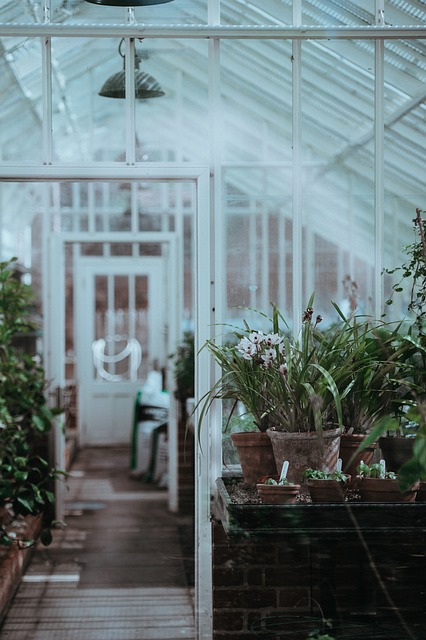
If you have a greenhouse, now is a good time to clean and disinfect counters, floors, benches, shelves, pots and seed trays to avoid delicate, young plants being contaminated with diseases. Also, disinfect the outside of the greenhouse to remove moss, algae and general grime. This allows for light to shine through during the growing months and removes any habitat for pests and disease. Likewise, disinfect the inside of glass to remove any overwintering pests and disease as these can survive in the smallest of spaces. Afterwards, ventilate your greenhouse so it can dry completely. Gather your soil amendments, seeds, bulbs, environmentally friendly fertilizers and insecticides. Check if seeds, bulbs or other planting material need to ordered online ahead of time so materials arrive on time ready for planting.
FLOWER AND VEGETABLE BED PREPARATION
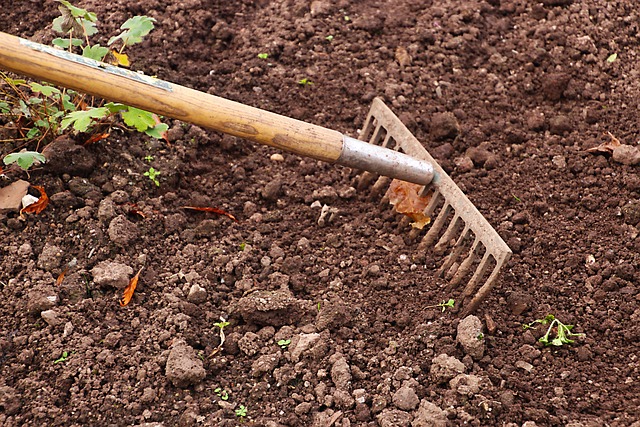
Once it’s suitable enough to head outside and get your hands in the dirt, we can start cleaning up flower and vegetable beds and borders to streamline when planting time comes. While keeping organic matter is beneficial for soil health and beneficial insects during winter months, it should be removed come spring to ensure ideal conditions for your plants to thrive in. Remove weeds from the roots, old plant material and debris, and prune and trim back plants where needed leaving the bare soil. Discard all cleared organic matter into your compost pile to break down or in your yard waste bags for pick up. For the weeds that you have removed, remember to put them in a yard waste bag/brown bin instead of composting them, as you don’t want their seeds germinating later, causing challenges in their removal later.
NURTURE YOUR SOIL’S HEALTH
ANALYZE YOUR SOIL
After you’ve prepared your soil, now is a good time to test your soil for its pH level and nutrient content to ensure your soil is in good condition for planting and for plants to thrive. Soil and pH test kits are available online and at garden centers. The range of soil pH can vary from 3-8 levels. The optimum pH range for plants to uptake primary nutrients of nitrogen, phosphorus and potassium is between 6.5 to 7.00, which is also beneficial to key soil bacteria. Keep in mind also that certain plants prefer specific pH soil conditions. For example, some plants thrive in more acidic soil such as blueberries, azaleas and hydrangeas.
REVITALIZING YOUR SOIL
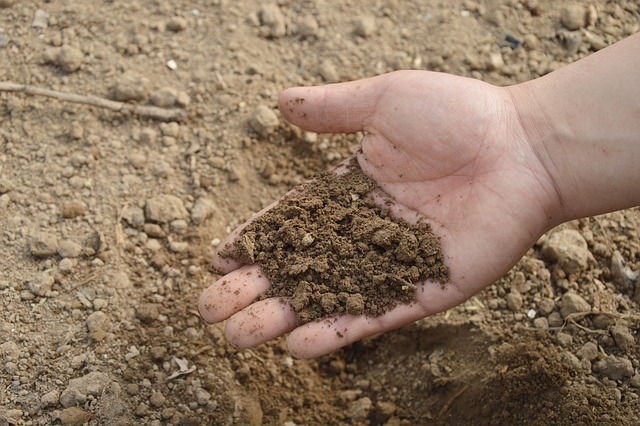
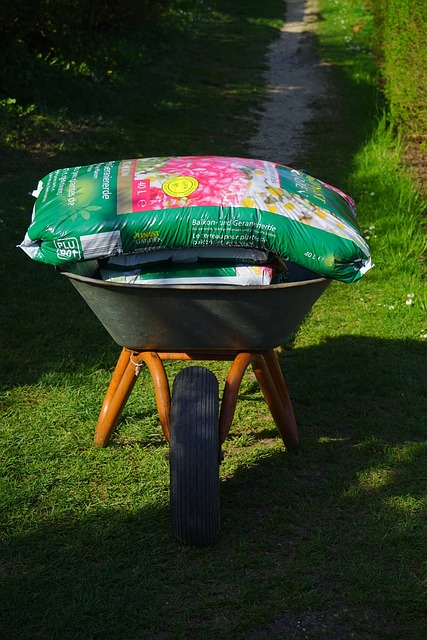
“To forget how to dig the earth and to tend the soil is to forget ourselves” – Mahatma Gandhi. Like many things, having a good foundation is a key to success. The same can be said with gardening – in this case having good soil as the foundation for your garden to flourish. Loosen compacted soil to provide airflow and to encourage young roots to grow well. Compacted soil can be loosened by tilling or turning it over with a shovel, since now the weeds have been removed. When your soil is in a workable condition, you can create a 5 cm layer of organic matter to further aerate your soil in your garden beds to provide ample air and moisture retention abilities. This can include adding compost, manure, or recycled green waste, soil and organic material based on your soil type for your area. This will provide a healthy soil foundation for your plants to thrive. If your soil is sandy in composition, it’s helpful to add soil additions to retain water. Conversely, if your soil is heavy and more clay based, add an amendment to help with drainage. Also, amendments such as peat moss will help the soil retain moisture. Raised beds too might need to be topped off with some more soil. Ensure that soil added is clean, free of weed seeds and sterile.
PRUNING AND PREPPING PERENNIALS, SHRUBS AND TREES
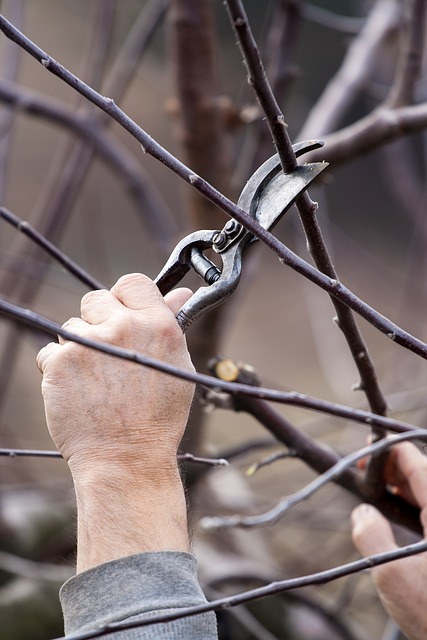
Many people prune perennials including flowering plants, shrubs, evergreens and fruit and ornamental trees before or in the winter so by spring, they can quickly start growing. However, if you didn’t do this, you can still catch a beneficial window to prune before your trees, shrubs and other perennials begin forming leaves. Early spring is an ideal time to prune perennials, shrubs and trees for them to grow healthy throughout the gardening season. Pruning done right encourages lighter airflow to a plant, which results in a healthier plant and improved harvest. For most perennial plants trim before new growth forms to about 2 inches above ground. For ornamental grasses, trim down to approximately a fifth of their full size. Prune away any overlapping branches, which compete with the leader, and any vertical growing branches (water spouts). Cutting back your perennial plants encourages fresh growth, supporting a lush and vibrant garden.
While most of these types of plants benefit from pruning during this time, some plants don’t. Among these are spring flowering shrubs like: rhododendron, lilacs, azeleas, and forsythia, and perennials like bee balm, hostas, peonies, iris, hollyhocks. For these plants, it is best then to prune during the fall season.
PEST MANAGEMENT
The early spring season is also an ideal time to tackle any insect garden pests before they start thriving and become a headache. Examine the crowns of perennial plants and vines for any slugs, snails and aphid colonies sheltering for the winter. Use a horticultural oil to cover insects and their eggs in their early stages before their numbers increase. Once you’ve thoroughly weeded, turning over the soil in the top 6 to 8 inches will reveal any hidden pests that overwintered in the garden beds to remove. Some insects emerge early in spring like cutworms, which attack seedling plants, so dealing with them early gives added protection to your seedling plants.
For fruit trees and ornamental trees, remove dead branches once you spot them to help your tree spread out to fill this gap. Fruit trees might benefit from spraying horticultural oil on them, which helps to reduce certain tree diseases and pests. Once the frost period has ceased, any winter tree wrap can be removed.
Also, spraying fruit and ornamental trees with horticultural oil helps reduce pests and some tree diseases. Even if they were sprayed in the fall, an extra spray now will help control plant problems, like aphids, spider mites and scale.
A healthy tree that was planted last year might need less support and a bit more room to grow. In this case, any wires used to help stabilize the tree from wind can be loosened to avoid the tree growing around the wire. It is also useful to widen the stakes’ spacing to encourage more plant growth.
MULCHING
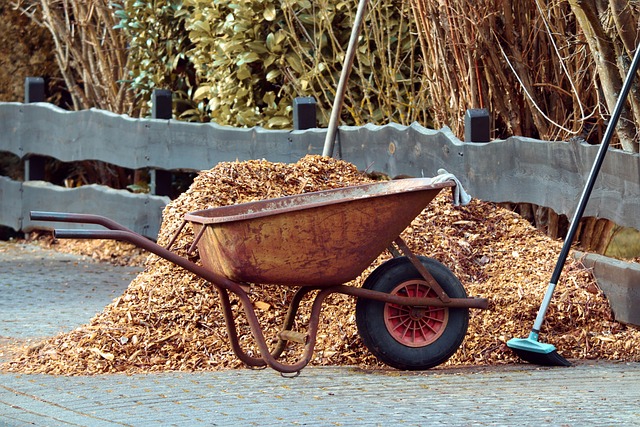
Providing mulch to your trees, shrubs and perennials is beneficial as it helps keep moisture in the soil and reduces and controls weeds in this area. For trees that are younger than 10 years, mulching helps form deeper root systems as these trees mature. The canopy of a tree provides a guide on how far out to mulch around the tree’s base. For instance, mulch can be applied around a tree’s base, while keeping it off the trunk. For this, provide a few inches of space between the trunk and mulch to prevent the risk of mold and fungal growth.
Perennial flowers usually are well mulched for protection during the winter season. Come spring when temperatures warm up, remove any matted mulch. Leaf litter, for example, can hide pests that have taken up residence during the winter months. Remove this layer from your plants and completely dispose of the mulch material in compost bags or into a hot compost pile. Once the rainy days of spring taper off, you can apply more mulch to aid in soil moisture retention and reduce weeds during the summer, which will also freshen up the appearance of your garden beds. Layer an ample, even amount of mulch to your garden beds, but not so much that it’s too thick or too close to your plants, which can cause diseases. Ensure that the mulch is level to keep it in place during heavy rains or wind.
TRANSPLANTING
Location, location, location. As this real estate adage emphasizes the importance of a good location for property, so too can be said for plants. Now is a good time to relocate any plants in your garden if you’ve planned to move them for this season. Plan where you plan to relocate your plants, thinking also about their specific needs i.e. sunlight exposure, room to grow, soil condition. When transplanting plants like shrubs, use a shovel to dig a circular trench around the plant as wide as possible. Try as best not to disturb the root structure by taking as much as the root ball as possible to ensure it adapts well to its new location. When replanting plants in a new location, position it at the same level it was previously in the soil and ensure to water it well and regularly afterwards. Once you’ve finished transplanting your plants, add a thick layer of mulch to protect your soil against weed seeds and other problems. While transplanting does take planning and effort, the result of a thriving plant is worth it.
PLANT DIVISION
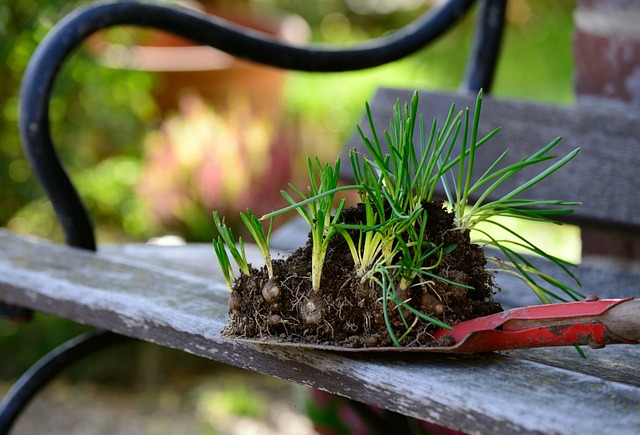
Just as some of your plants will benefit from being transplanted, dividing your plants can help your plants flourish. If a plant has not been divided for 2 to 3 years, it may be worthwhile to do so with some plants. Otherwise, after a few years, plants can grow in a large clump, leaving a thinned out middle that leaves a bare spot. Dividing your plant clumps will help keep your older plants healthy by providing them more room to grow and spread while providing you with new plants to plant elsewhere of share with other people.
STRUCTURAL MAINTENANCE
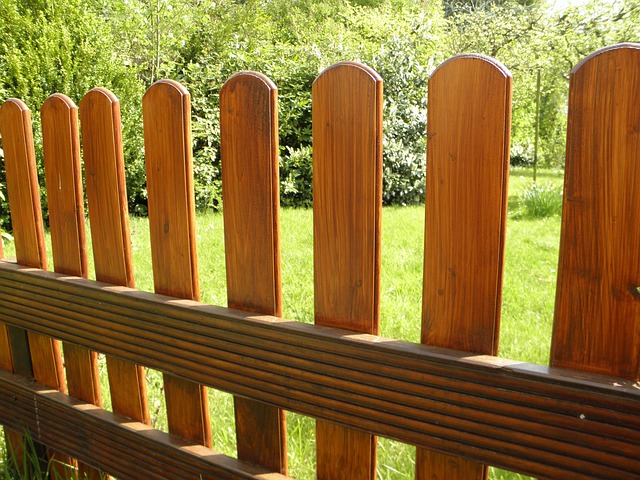
Now is a good time to do maintenance work on your hardscape features of your garden. For example, examine your fences, trellis and gates for any structural repairs needed and for general cleaning and stonework for frost heaves, particularly in paths and edging. For items such as these, check for signs of decay or weather damage, and fix or replace any broken parts or structures. Like our garden tools these areas would benefit from a cleaning. A power washer or the hose will remove grime, dirt, moss and mildew with a stiff brush for stubborn grime removal. A stain, paint or wood preservative can be applied after the wood has completely dried. Also, examine your deck or patio and make repairs where needed. This may also be a good time to clean outdoor furniture, so it’s set for using during the start of your garden season.
EARLY, MIDDLE AND LATE SPRING PLANTING
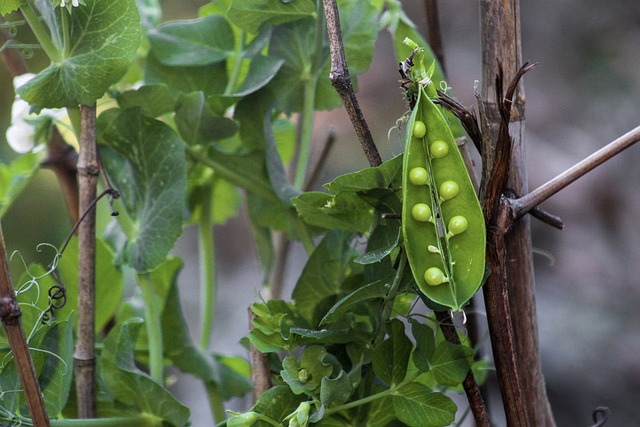
Some plants benefit from being planted in early spring. For instance, vegetables that are hardy, cool-season vegetables such as potatoes, peas, artichokes and some lettuce varieties prefer cool soil to germinate. Once the soil is thawed, they can be planted to be ready for harvesting come early summer. Also, summer flowering bulbs like dahlias, lilies and gladiolus can be planted in early spring to enjoy fully in in the summer. These should be planted when the risk of frost has ended and when the soil is warm enough to plant in.
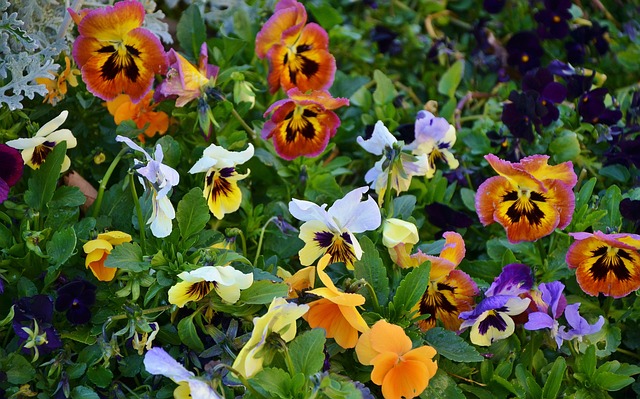
Usually, by mid-spring is a time to look forward to warmer weather starting, especially for those living in northern climates experiencing a long winter. Spring flowers will start to emerge with more bulbs, perennials, shrubs, and trees start springing to life and possibly blooming. Here’s a chance to identify any empty spots where you’ll want to plant spring bulbs in the fall or fill these bare areas with late spring and/or summer plants. Trees and shrubs also benefit from being planted now once the soil has thawed. If you have planted perennials, these will need some time to establish new roots and settle before the summer heat arrives. Until then, adding a few cool hardy annuals such as snapdragons or pansies in flower beds or containers will add some colour and cheer to these areas. If considering establishing a biodiverse wellness garden, think about the mood you’d like to establish, and then plan the colours, textures and smells of plants that support human wellness as well as what plants will attract biodiversity.
After new plants have been planted, add a fresh layer of mulch around them but not too close around the base of plants. Mulching now protects your plants and prevents weeds from sprouting early in the season.
Starting late spring, is the time when you can clean up spent spring flowers. By doing so, encourages these plants to store energy for next season than use energy to develop seeds. Allow plant foliage to die back by itself and remove only when this has thoroughly transformed to yellow or dried up.
Late spring is the time also to start planting in full swing adding plants to your late spring and summer season garden. This time of the year is exciting to visit garden nurseries and witness the lush greenery and colours of vibrant plants waiting to be planted. When you pick out your annual flowering plants, pick ones that haven’t bloomed yet as these will be stronger.

So now that you’ve completed your gardening tasks, you can sit back and enjoy the fruits of your labour in your garden haven. As Gertrude Jekyll said, “The lesson I have thoroughly learnt, and wish to pass on to others, is to know the enduring happiness that the love of a garden gives.”
Here’s looking forward to the gardening days ahead!
Written by: Sarita


 BIODIVERSE WELLNESS GARDENS
Leave a comment