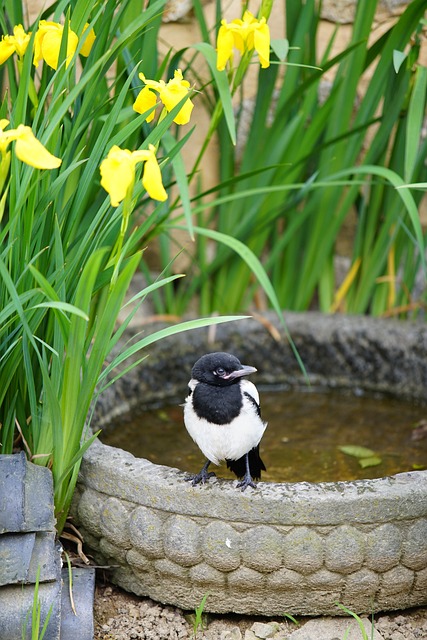
” I go to nature to be soothed and healed, and to have my senses put in order” – John Burroughs
Remarkable research is shedding light on the benefits of the plant world on human well-being, confirming beliefs that older human cultures and traditions have been practicing for centuries. Today, this maybe translating into a gradual cultural-nature movement similar to what Harvard entomologist E. O. Wilson (1984) and Yale social ecologist Stephen Kellert termed as biophilia – defined as humanity’s innate tendency to seek connections with other forms of life and nature (5). The biophilia hypothesis and supporting research tells us that, as a species, we are still powerfully responsive to nature’s forms, processes, and patterns” (6). “Contact with nature can be purely visual or multi-sensory, active engagement (walking, running, gardening) or passive (viewing only). Benefits are found in multiple settings, multiple cultures, and across the age span, from early childhood to late adulthood” (7).
Access to nature has been show to promote health through REDUCTION in:
- Stress;
- Depression;
- Myopia;
- Pain;
- Fatigue;
- Aggression;
- Impulsivity; and
- Symptoms of Attention Deficit Hyperactivity Disorder (ADHD)
And access to nature has demonstrated IMPROVEMENT in:
- Immune function
- Bone strength
- Wound healing
- Cognition
- Concentration
- Emotional Resilience
- Empathy
- Vitality
- Relaxation
- Mood
- Life satisfaction
- Quality of Life; and
- Sense of community. (8)
In addition, specific health outcomes linked to nature are impressive including:
- Diabetes mellitus;
- Various infectious diseases;
- Cancer;
- Healing from surgery;
- Reduction in body mass index and obesity;
- Birth outcomes;
- Cardiovascular disease;
- Musculoskeletal complaints;
- Migraines; and
- Respiratory disease. (9)
As science has demonstrated and how we ourselves have experienced, spending time in nature such as in a nature-based garden, reduces stress, elevates mood, promotes physical and psychological recovery and supports human wellness. In turn, nature-based gardens support biodiversity by creating a habitat for creatures to visit and live in, and plants to feed on, thus fostering the interconnected relationship that we all share on this planet. For more information, check out this website’s tabs on “Gardens and Human Health” and “Biological Diversity.”
With this in mind, the biodiverse wellness garden model was created. It focuses on taking natural elements that support human wellness and biodiversity into designing and creating a garden. Instead of viewing biodiversity and human wellness as separate, this type of garden offers a holistic approach to supporting both wildlife and human wellness.
A customized, comprehensive expert garden plan is available from biodiversewellnessgardens.com. These garden plans are custom designed to meet your vision, needs and budget. This service also designs biodiverse wellness gardens for specific uses. Our key goal is to offer a service that designs a garden, which both humans and biodiversity will enjoy! Please visit the “Contact” tab to connect with us to design your own Biodiverse Wellness Garden!
REFERENCES
5. Wikipedia. “Biophilia Hypothesis.” https://en.wikipedia.org/wiki/Biophilia_hypothesis
6. Kellert, S.R.; Wilson, E.O. “The Biophilia Hypothesis.” Washington, DC: Island Press. 1993. In: Biophilia, Health, and Well-being by: Judith Heerwagen. 2009. In: Restorative Commons: Creating Health and Well-being Through Urban Landscapes. U.S Department of Agriculture, Forest Service, Northern Research Station, p. 38-57.
Kellert, S.R.; Heerwagen, J.H.; Mador, M. “Biophilic design: Theory, Science, and Practice.” 2008. New York: Wiley. In: “Biophilia, Health, and Well-being” by: Judith Heerwagen. 2009. In: Restorative Commons: Creating Health and Well-being Through Urban Landscapes. U.S Department of Agriculture, Forest Service, Northern Research Station, p. 38-57.
7. Heerwagen, Judith. “Biophilia, Health, and Well-being.” 2009. In: Restorative Commons: Creating Health and Well-being Through Urban Landscapes. U.S Department of Agriculture, Forest Service, Northern Research Station, p. 38-57.
8. Cooper Marcus, Clare and Sachs, A Naomi. Therapeutic Landscapes: An Evidence-Based Approach to Designing Healing Gardens and Restorative Outdoor Spaces. Wiley, 2014.
9. Kuo, Ming. “How Might Contact with Nature Promote Human Health? Promising Mechanisms and a Possible Central Pathway”. Frontiers in Psychology. August 25, 2015. https://www.frontiersin.org/articles/10.3389/fpsyg.2015.01093/full
Soga, Masashi et al., “Gardening is Beneficial for Health: A Meta-Analysis.” Preventative Medicine Reports. Vol, 5, March 2017, p. 92. https://www.sciencedirect.com/science/article/pii/S2211335516301401
Please support this website by making a donation. Your kindness is most appreciated!
Make a monthly donation
Make a yearly donation
Choose an amount
Or enter a custom amount
Your contribution is appreciated.
Your contribution is appreciated.
Your contribution is appreciated.