


“In all things of nature there is something of the marvelous” – Aristotle
In this section, biological diversity is explored, examining:
- the meaning and importance of biological diversity
- valuing ecological services
- biodiversity under threat
- policy overview and present day commitments and
- the role of gardens in supporting biodiversity
THE MEANING AND IMPORTANCE OF BIOLOGICAL DIVERSITY
“Nature never hurries. Atom by atom, little by little She achieves her work” – Ralph Waldo Emerson
While gardening is a human construct and is far from being a natural environment, gardening does play a key role in supporting biological diversity and human well-being. One question that might arise is why should we care about the state of biological diversity on our planet?
The importance of preserving and conserving biological diversity cannot be overestimated. Let’s not sugar coat this – planet earth can do without humans, but humans cannot do without planet earth (at least not yet) – especially its biological diversity. Biological diversity or biodiversity essentially means the “variety of life on Earth and the natural patterns it forms”. Biodiversity has been created through “billions of years of evolution, shaped by natural processes and increasingly, by the influence of humans. It forms the web of life of which we are an integral part upon which we so fully depend” (1). Biodiversity encompasses several levels. These are: genetic diversity – the variation between individuals and between populations within a species; species diversity – the different types of plants, animals and other life forms within a region; and community or ecosystem diversity – the variety of habitats found within an area (i.e. grassland, marsh and woodland). Functional diversity is also sometimes included, which captures the different roles of organisms play within an ecosystem i.e. the energy capturing role of a plant and the role of an herbivore in keeping plant growth in balance. (2)
About 1.75 million species have been identified, many of which are small creatures like insects. What’s more, scientists suggest that there are actually about “13 million species, though estimates range from 3 to 100 million”. (3)
As global citizens, there are many actions we can participate in to help improve the state of biological diversity while supporting our own wellness needs. One small way to accomplish this is through gardening! Nature-based gardens support biodiversity by creating a habitat for creatures to visit and live in, and plants to feed on, thus fostering the interconnected relationship that we all share on this planet. For more information, check out this website’s tabs on “Gardens and Human Health” and “Biological Diversity.”
With this in mind, the biodiverse wellness garden model was created. It focuses on taking natural elements that support human wellness and biodiversity into designing and creating a garden. Instead of viewing biodiversity and human wellness as separate, this type of garden offers a holistic approach to supporting both wildlife and human wellness.
A customized, comprehensive expert garden plan is available from biodiversewellnessgardens.com. These garden plans are custom designed to meet your vision, needs and budget. This service also designs biodiverse wellness gardens for specific uses. Our key goal is to offer a service that designs a garden, which both humans and biodiversity will enjoy! Please visit the “Contact” tab to connect with us to design your own Biodiverse Wellness Garden!
VALUING ECOLOGICAL SERVICES
Look deep into nature, and then you will understand everything better. – Albert Einstein
We rely on the earth’s ecosystems to provide many goods and services to support our personal, economic and human societal health. These varied ecological services are impossible to replace and are crucial to the planet’s and humans’ overall well-being. Among the many goods and services that ecosystems provide include:
- providing food, fuel and fibre
- providing shelter and building materials
- purifying the air and water
- detoxifying and decomposing wastes
- stabilizing and moderating the Earth’s climate
- moderating floods, droughts, temperature extremes and the forces of wind
- generating and renewing soil fertility, including nutrient cycling
- pollinating plants, including many crops
- controlling pests and diseases
- maintaining genetic resources as key inputs to crop varieties and livestock breeds, medicines and other products
- cultural and aesthetic benefits; and the
- ability to adapt and change (4)
While ecosystems provide a vast array of goods and services, it is difficult to accurately monetarily value them because knowledge is limited by the complexity of environmental systems. For example, still to be discovered are the many linkages between organisms and slight disturbances may have dramatic, unforeseen consequences.
Yet many scientists suggest that proper valuation is part of what is needed to reduce the loss of biodiversity by assigning concrete values to ecological goods and services. This is thought to create an economic appreciation of these goods and services, an awareness of the ecological impact of our actions and to improve planning and management of Earth’s systems. It is, however, been slow to develop accurate, straightforward and widely accepted measures for assessing ecosystem values. What’s more, current international practices, which are valuing ecosystem services at zero are not considering the needs of future generations. Moreover, are the instances when individuals make decisions based on the immediate financial gains of logging a forest, for example, instead of considering the “invisible” benefits of the forest, such as carbon sequestration, flood protection and habitat for pollinators (5).
Despite the challenges of valuing ecosystems, experts are still working towards highlighting the benefits provided by ecosystems using monetary and/or physical indices. The two main methods used are 1) creating a common asset trust, which “propertizes” the public good without making ecosystems private and 2) paying for ecosystem services i.e. when farmers are paid or given incentives to leave part of their land fallow to improve soil health. (6)

BIODIVERSITY UNDER THREAT
“Man did not weave the web of life, he is merely a strand in it. Whatever he does to the web, he does to himself” – Chief Seattle, Duwamish tribe
Biodiversity unfortunately faces significant threats currently. “According to the Millennium Ecosystem Assessment (MA), the rate at which species are becoming extinct is estimated to be up to 1,000 times higher today than pre-industrial times. (7) What’s more, the International Union for Conservation has reported that an average of 52 species per year have moved one category closer to extinction from 1980 to 2008 as documented on their Red List of Endangered Species, with this rate showing no indications of slowing down. (8) “Based on current trends, an estimated 34,000 plant and 5,200 animal species – including 1 in 8 of the world’s bird species – face extinction”. (9) As such, it is not surprising that scientists are calling the current loss of biodiversity the sixth mass extinction in Earth’s history. (10) Similarly, the variety of domesticated plants and animals that we depend on for food are at threat with modern agriculture focusing on fewer crop varieties and with about 30% of the main animal farm species breeds currently at high risk of extinction. (11)
However, unlike previous episodes of major species extinction experienced previously on Earth for which climactic, geologic and other natural phenomenon were to blame, the current episode is driven by human factors. These are “the rapid conversion and degradation of habitat for human use; the accidental and deliberate introduction of exotic species; over-harvesting of animals, fish and plants; pollution; human-caused global climate change; industrial agriculture and forestry; and other activities that destroy or impair natural ecosystems and the species within them. (12) However, degradation, fragmentation and outright loss of forests, wetlands, coral reefs and other ecosystems pose the largest threat to biodiversity. Habitat loss takes several forms including wild species losing areas they use; and fragmentation – when native species forced onto small patches of undisturbed land surrounded by areas cleared for agriculture and other purposes. (13) Forests are home to a significant amount of terrestrial biodiversity, yet 45 percent of the world’s original forests are gone, haven being cleared mainly during the past century. Similarly, 10 percent of coral reefs, which are among the richest ecosystems on the planet, have been destroyed with one-third threatened to collapse over the next 10 to 20 years. Coastal mangroves, are also at threat, with half already gone, posing significant loss for countless species using these habitats for nurseries for their offspring. (14)
POLICY OVERVIEW AND PRESENT DAY COMMITMENTS
On a political level, there has been some attempt at acknowledging the importance of biodiversity for human and planetary well-being. International frameworks have been created to help countries develop policies, which meet biodiversity goals. However, there is still a need for much greater political effort to act on biodiversity threats. The following outlines the two main international commitments made towards biological diversity: CITES and the Convention on Biological Diversity.
CITES, The Convention on International Trade in Endangered Species of Wild Fauna and Flora was established in 1975 with over 180 countries or Parties having signed the agreement. By doing so, Parties commit to protect over 35,000 animal and plant species from illegal trade. The convention’s provisions are integrated into national legislation by Parties and the convention provides a legal framework to regulate trade in species that are exploited commercially for international trade. Also, a national legislation of a Party may be stricter than the provisions under CITES. For example, some Parties prohibit all exports of their native wild plants. CITES cover certain species in its three appendices. Each appendix offers varying levels of protection and trade through regulation of a permitting system. Through this, species can be added, amended or deleted from Appendix 1 and 2 by Parties every three years at the Conference of Parties (CoP) and from Appendix 3 at any time. Under CITES, a Party must establish a Management Authority to implement the convention and to ensure that the specimen has been legally acquired and to issue the permit. Also, a Party must have at least one Scientific Authority to ensure that trade in species is not a threat to its survival in the wild. (15)
In 1992, a key international framework was developed during the United Nations Earth Summit held in Rio de Janeiro, where 150 global leaders signed the United Nations Convention on Biological Diversity, marking a historical global landmark in moving towards protecting biodiversity. (16)
Since then, in 2015, 196 Parties have ratified the convention. (17) Importantly, because the Convention is legally binding, countries that join it are obligated to implement its provisions. This convention was a leap forward at the time to acknowledge biodiversity’s importance towards planetary and human well-being. Specifically, it was the first time that conserving biological diversity was agreed upon as “a common concern to humankind” and that biodiversity is an integral part of the development process with biodiversity’s conservation bringing significant environmental, economic and social benefits. During this event, world leaders built on the concept of “sustainable development” – meeting our needs of while ensuring that we leave a healthy and viable world for future generations”, which was originally devised in 1987 from the World Commission on Environment and Development (the Brundtland Commission) in its report. While the Convention recognizes that ecosystems, species and genes are used to benefit humans, this should not be done in a manner and at a rate that leads to long-term decline of biodiversity. Moreover, the Convention uses the precautionary principle – that where there is a threat of losing significant biodiversity, lack of full scientific certainty should not be used as a reason to postpone actions to avoid or minimize threat(s) to biodiversity. The Convention establishes three main goals: “1) the conservation of biological diversity; 2) the sustainable use of its components; and 3) the fair and equitable sharing of the benefits from the use of genetic resources”. (18) The Convention addresses these through key issues including: measures and incentives for the conservation and sustainable use of biological diversity; regulated access to genetic resources; access to and transfer of technology, including biotechnology; technical and scientific cooperation; impact assessment; education and public awareness; provision of financial resources; and national reporting on effort to implement treaty commitments.
In 2002, the Convention on Biological Diversity promised “a significant reduction of the current rate of biodiversity loss” by 2010. Unfortunately, within those eight years, most countries failed to meet their targets. (19) The Strategic Plan for Biodiversity 2011-2020 was then adopted with 20 new targets developed, known as the Aichi Biodiversity Targets. Following this in early 2011, an intergovernmental panel agreed to develop the Intergovernmental Platform on Biodiversity and Ecosystem Services (IPBES) with the goal of ensuring 2020 biodiversity targets are attainable. (20)The Convention’s success depends on the combined efforts of the world’s nations. The responsibility to implement the Convention lies with the individual countries and, to a large extent, compliance will depend on informed self-interest and peer pressure from other countries and from public opinion.
THE ROLE OF GARDENS IN SUPPORTING BIODIVERSITY
“To see a World in a Grain of Sand
And a heaven in a Wild Flower,
Hold Infinity in the palm of your hand
And Eternity in an hour.”
By: William Blake, Auguries of Innocence, 1863
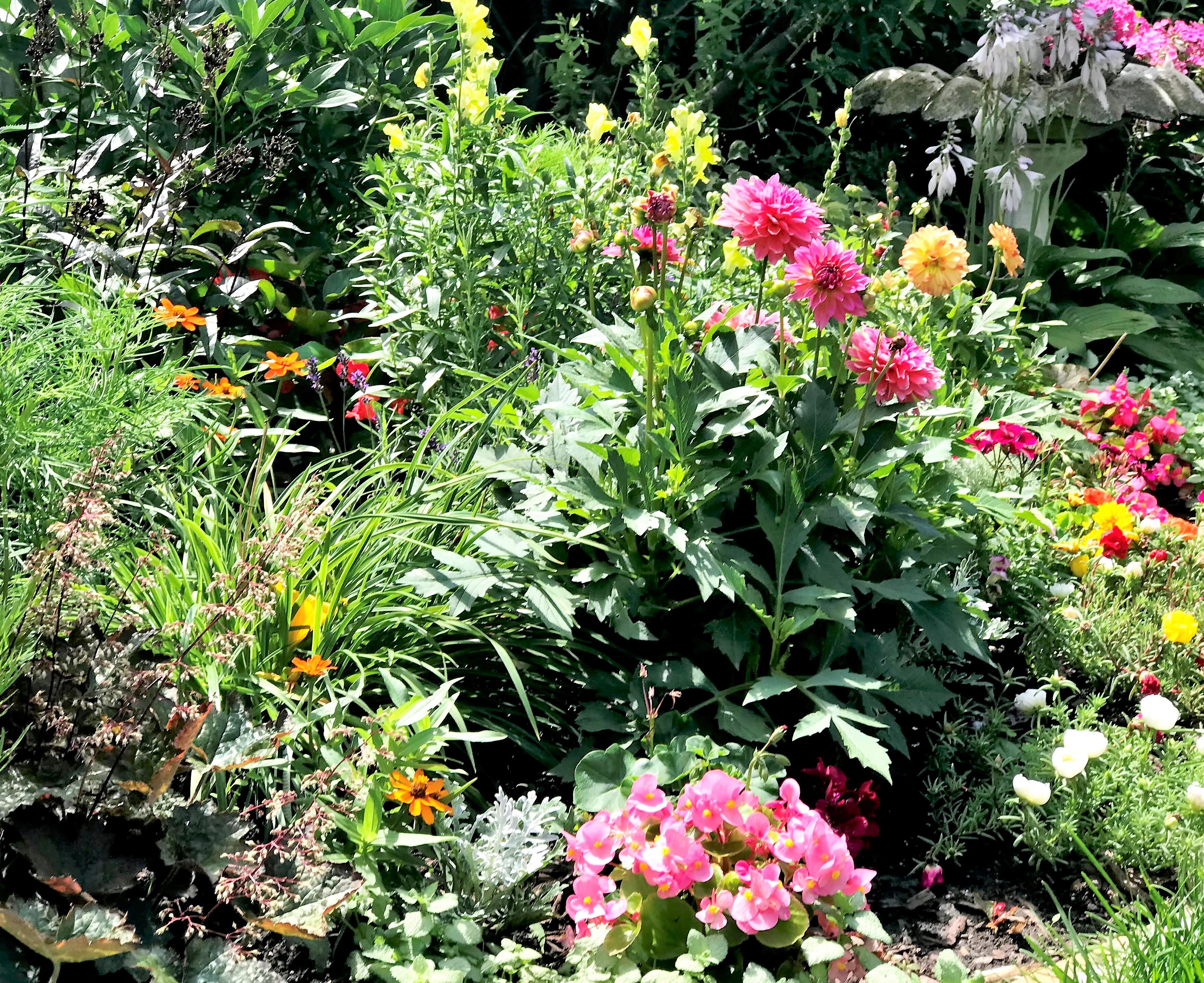
While the convention on biological diversity is a move forward, the United Nations 2020 Strategic Plan for biodiversity excludes urban biodiversity features. As a counter measure, several public and municipal initiatives have developed to regenerate biodiversity in urban life. (21) This is where gardening plays a vital role in helping to conserve biological diversity in rural and urban spaces. With urban spaces growing in the future decades ahead, incorporating biodiversity conservation into urban and regional planning as well as encouraging private landowners to foster biodiversity through gardening will aid in overall biodiversity well-being. Private gardens collectively comprise the largest green space in most cities and is the greatest potential for increasing the extent of wildlife-friendly and native-dominated habitat, improving the quality of ecosystem services and providing opportunities for urban dwellers to reconnect with nature.”(22) Moreover, “complimentary public and private conservation action is required to sustain native biodiversity in cities. Residents can contribute by wildlife gardening – removing environmental weeds, cultivating indigenous flora and improving habitat in their gardens.” (23)
With natural habitats becoming increasingly fragmented and reduced, plant, insect and animal species’ survival and well-being are at threat. As our planet becomes more urbanized, there is more of a need to establish and support green spaces for the health benefits they provide us and to help conserve biodiversity. As global citizens, there are many actions we can participate in to help improve the state of biological diversity while supporting our own wellness needs. One small way to accomplish this is through gardening!
With this in mind, the biodiverse wellness garden model was created. It focuses on taking natural elements that support human wellness and biodiversity into designing and creating a garden. Instead of viewing biodiversity and human wellness as separate, this type of garden offers a holistic approach to supporting both wildlife and human wellness.
A customized, comprehensive expert garden plan is available from biodiversewellnessgardens.com. These garden plans are custom designed to meet your vision, needs and budget. This service also designs biodiverse wellness gardens for specific uses. Our key goal is to offer a service that designs a garden, which both humans and biodiversity will enjoy! Please visit the “Contact” tab to connect with us to design your own Biodiverse Wellness Garden!
References
- Convention on Biological Diversity. “Biodiversity – The Web of Life”. https://www.cbd.int/convention/guide/
- World Resources: A Guide to the Global Environment. “Biodiversity: Conditions and Trends”. New York: Oxford University Press. 1994, pg 147-148).
- Convention on Biological Diversity. “Biodiversity – The Web of Life”. https://www.cbd.int/convention/guide/
- Convention on Biological Diversity. “How the Convention on Biological Diversity Promotes Nature and Human Well-being – We are Changing Life on Earth”. https://www.cbd.int/convention/guide/?id=changing
- WorldWatch Institute. “Unparalleled Biodiversity Loss Continues without Political Action and Ecosystem Valuation”. 5-22-2012 http://www.worldwatch.org/system/files/EcoWatch%20052212.pdf
- Ibid.
- Ibid.
- Ibid.
- Ibid.
- Ibid.
- Convention on Biological Diversity. “How the Convention on Biological Diversity Promotes Nature and Human Well-being – We are Changing Life on Earth”. https://www.cbd.int/convention/guide/?id=changing
- World Resources: A Guide to the Global Environment. “Biodiversity: Conditions and Trends”. New York: Oxford University Press. 1994, pg 147.
- Ibid. pg. 149
- Convention on Biological Diversity. “How the Convention on Biological Diversity Promotes Nature and Human Well-being – We are Changing Life on Earth”. https://www.cbd.int/convention/guide/?id=changing
- Convention on International Trade in Endangered Species. https://www.bgci.org/our-work/policy-and-advocacy/cites/
- Convention on Biological Diversity. “How the Convention on Biological Diversity Promotes Nature and Human Well-being – Call for Action”.
- Ibid.
- Ibid.
- WorldWatch Institute. “Unparalleled Biodiversity Loss Continues without Political Action and Ecosystem Valuation”. 5-22-2012 http://www.worldwatch.org/system/files/EcoWatch%20052212.pdf
- Ibid.
- Singh, Kavita and Swami, Sinha Meenakshi. “Vision of Urban Agriculture Towards Biodiversity Richness”. “Journal of Agroecology and Natural Resource Management. Print ISSN: 2394-0786, Volume 2, Number 4; July-September 2015, pp. 290-295.
- Van Heezik, M, Yolanda et al. “Closing the Gap: Communicating to Change Gardening Practices in Support of Native Biodiversity in Urban Private Gardens”. Ecology and Society 17(1): 34. http://dx.doi.org/10.5751/ES-04712-170134
- Mumaw, Laura and Bekessey, Sarah. “Wildlife Gardening for Collaborative Public-Private Biodiversity Conservation”. Australasian Journal of Environmental Management. Volume 24, Issue 3, 2017, pp 242-260.
Copyright © 2017 biodiversewellnessgardens.com All Rights Reserved – Privacy Policy
 BIODIVERSE WELLNESS GARDENS