


As science has demonstrated and how we ourselves have experienced, spending time in nature such as in a nature-based garden, reduces stress, elevates mood, promotes physical and psychological recovery and supports spiritual wellbeing. In turn, nature-based gardens support biodiversity by creating a habitat for creatures to visit and live in, and plants to feed on, thus fostering the interconnected relationship that we all share on this planet. For more information, check out this website’s tabs on “Gardens and Human Health” and “Biological Diversity.”
Now that we know the benefits of gardens in supporting biodiversity and human wellness, let’s look at how we can create a biodiverse wellness garden!
What is a Biodiverse Wellness Garden?
A biodiverse wellness garden focuses on taking natural elements that support human wellness and biodiversity into designing and creating a garden. Instead of viewing biodiversity and human wellness as separate, this type of garden offers a holistic approach to supporting both wildlife and human wellness. It recognizes the interconnected relationship humans have with nature and how gardening fosters this relationship. So, instead of approaching biodiversity/nature working for human welfare (a human centric/anthropomorphic view), a biodiverse wellness garden focuses on humans as part of nature and working for the well being of the whole of nature that we are part of. When we can see the whole/nature as part of ourselves, then we can achieve true well being. By doing so, a biodiverse wellness garden integrates the six dimensions of the human wellness model discussed earlier (see “Gardens and Human Wellness” tab under “Exploring Human Wellness” tab) where wellness is approached as multidimensional and holistic, encompassing lifestyle, mental and spiritual well being and the environment. Likewise, a biodiverse wellness garden model incorporates natural elements in its garden design, which allow biodiversity to thrive.
A customized, comprehensive expert garden plan is available from biodiversewellnessgardens.com. These garden plans are custom designed to meet your vision, needs and budget. This service also designs biodiverse wellness gardens for specific uses: (i.e., children’s gardens, meditation gardens, enabling gardens (designed for all ages and abilities, horticultural therapy). Also available is teaching our clients how to take care of their gardens for long term enjoyment. Our key goal is to offer a service that designs a garden, which both humans and biodiversity will enjoy! Please see the “Contact” tab section to connect with us to manifest your own garden sanctuary.
To help provide a starting point on how to create a biodiverse wellness garden, here’s a framework below that you can follow as a guide.
TO CONSIDER BEFORE PLANNING YOUR BIODIVERSE WELLNESS GARDEN
Before you plan your biodiverse wellness garden, take a step back and think of your preferences and uses for your garden. This will help shape your garden space and fill it too. To inspire you, visit other gardens, parks, courtyards and other nature-based areas that can spark ideas to manifest your own biodiverse wellness garden sanctuary.
Think about your preferences and what you will be using your garden for. For example:
- Spend some time reflecting on what makes you happy and comfortable;
- What are your likes and dislikes for your outdoor garden space?
- Is there a particular feeling that you would like to take away from your garden?
- How and what would you like to use your garden space for? Consider:
- Do you want to actively take care of plants, digging in the earth?
- Do you want an area to sit, relax, observe nature and contemplate?
- Do you want multiple uses for your garden?
- Do you prefer the comfort and privacy of being surrounded by walls and vegetation or do you prefer open vistas and long views?
FRAMEWORK FOR A BIODIVERSE WELLNESS GARDEN
There are two key aspects to consider when creating a biodiverse wellness garden: 1) Biodiversity and 2) Human Wellness.
For addressing biodiversity, consider:
- What elements, particularly flora (plants), will attract and support biodiversity to your garden?
- What flora will thrive in your region and the environmental conditions where you live?
For addressing human wellness consider:
- What garden elements will connect with human senses? For example, sight, sound, touch and hearing and even taste. These elements can connect with nature and provide a grounding experience while reducing stress and promoting other health benefits.
- What garden design layout will: work with my space; create unity; be appealing to the senses and attract biodiversity?
REMEMBER: The key feature to include in a biodiverse wellness garden for human wellness and biodiversity to thrive is real nature – green vegetation, flowers and ideally a calm, water element. A garden full of sculptures and structures will not offer the healing benefits of nature and attract and conserve biodiversity.
ATTRACTING BIODIVERSITY IN YOUR GARDEN
Flora and fauna share an interconnected and synergistic relationship in nature that you can cultivate and support in your biodiverse wellness garden. Wildlife depends on plants to survive and plants depend on wildlife to thrive. This is simple but important to remember. Likewise, oftentimes the same plants that we are attracted to or benefit human wellness are often the same plants that wildlife are attracted to.
Take the lavender (lavandula) plant. It has calming, medicinal, spiritual and stress reducing properties on humans, but it also attracts beneficial insects like honey bees. As you connect with your garden, you will find that everything is interconnected, making it difficult to separate elements. Yet, when we think of a garden, what usually comes to mind is plants, so let’s look at which plants support biodiversity.
- ELEMENTS THAT ATTRACT BIODIVERSITY
While human created, gardens support biodiversity in key areas. They can provide:
- a food source through plants, especially native species;
- a habitat and nesting areas for wildlife; and
- a source of water.
By providing these elements in your biodiverse wellness garden, gardeners gain from attracting beneficial wildlife such as birds and insects such as pollinating bees, which can help reduce unwanted visitors like pest insects that destroy garden plants.
Key to consider when choosing elements that attract biodiversity are:
- colour;
- smell;
- native species;
- food sources and
- plants for specific needs i.e. for nesting or habitat, and plants for wildlife, which feed exclusively on one plant i.e. monarch butterflies, which feed exclusively on the milkweed plant.
For example, using native plants of your region provides advantages in two main ways – they are conditioned to thrive in your local environment and they offer a suitable home and food source to neighbouring birds and insects.
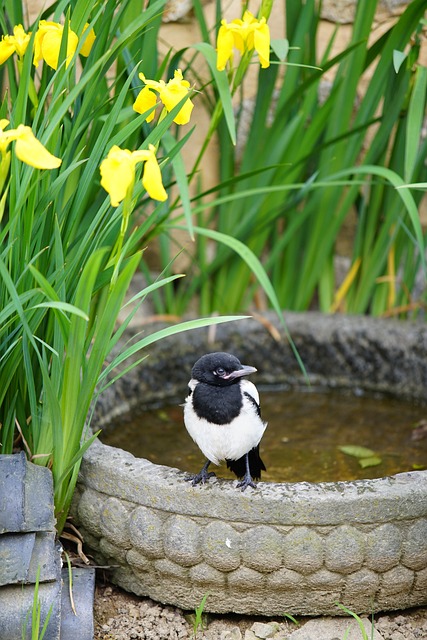
Other features such as a birdbath or bird feeder will encourage visits from feathered friends, critters and beneficial insects to your garden.
- PLANTS THAT ARE WELL SUITED TO YOUR ENVIRONMENTAL CONDITIONS
As much as one might like to create an oasis like a tropical paradise on your piece of land, it might not be feasible or appropriate to do based on the environmental conditions of your area.
Environmental conditions of your region and micro-climate should be considered when planning your garden. Elements such as: soil type, temperature and precipitation variables are important before to account for before considering the plants that you grow in your biodiverse wellness garden.
ELEMENTS THAT SUPPORT HUMAN WELLNESS
PLANT SELECTION
Humans connect to nature through our senses: sight, smell, touch, sound and even taste. These elements can connect with nature and provide a grounding experience while reducing stress and promoting other health benefits.
As mentioned earlier, keep in mind what type of feeling or use your biodiverse wellness garden will serve and who will be using your garden. This will inform what type of plants will populate your garden. For example, using a variety of textures, scents, colours and plants that make sounds as wind rustling through leaves is a good base line to include in your garden. However, if you are for example, creating a soothing or meditative garden, vibrant, loud colours and too strong smells of certain plants might not be well suited for this type of garden. Also, consider users of your garden. For example, consider avoiding thorny or toxic plants for a garden used by children, elderly, or people with certain psychological disorders.
There are so many varieties of plant species now available that it can be overwhelming choosing what to populate your biodiverse wellness garden. A starting point are considering plants that command awareness by their characteristics and because they attract biodiversity. These plants stimulate the human senses and centre us in the present moment.
 BIODIVERSE WELLNESS GARDENS