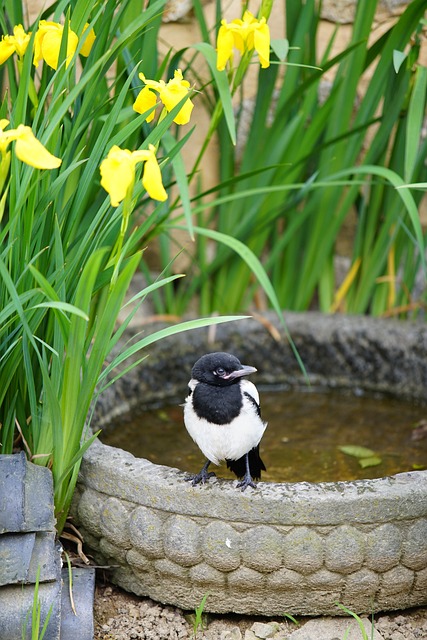
Supporting biodiversity benefits your garden in several ways. Important services and roles that biodiversity provides in your garden include: providing a safe place for wildlife that help to pollinate garden plants; offering biological pest control to unwanted pests in your garden; improving soil fertility; helping to increase local biodiversity. Insects, birds, bats and small animals all can benefit your garden.
BENEFICIAL INSECTS
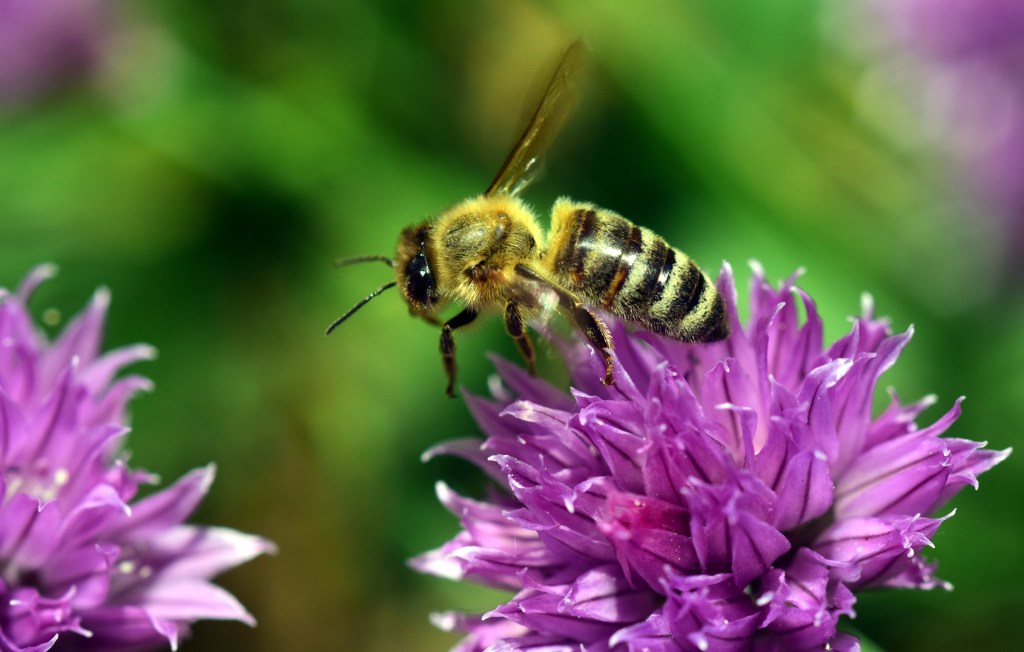
“When the flower blooms, the bees come uninvited” – Ramakrishna
The insect world, for example, provides many of these benefits and services to a garden. In an ecosystem, insects are the foundation of the ecological balance. A small amount of one to percent of insects do harm to human produce and the remaining 97 to 99 percent perform crucial services for the ecosystem. Beetles alone, for example, pollinate 88 percent of all flowering plants – more than any other animal (1). As valuable garden helpers, beetles also feed on decaying vegetables, fruits and plants, and prey on snails and other insects, while pollinating plants and enriching soils with nutrients. Many insects provide natural biological pest control in your garden. Insects such as lacewig larvae feed on mites, mealybugs, thrips, caterpillars and insect eggs. Also, ladybugs are commonly used for controlling aphid infestations. What’s more, different parasitic wasps eliminate whitefly, leafminter and worm colonies (2). Insects also help to improve soil fertility. A key reason is because herbivorous and omnivorous insects affect the amount and distribution of organic matter entering soils. Like beetles, there are many insects that are invaluable composters, helping to break down plant residues and turning important nutrients back into the soil, making them an essential component of nutrient recycling in nature and a garden. Without our insect helpers, chewing, tearing apart and digesting larger pieces of organic material such as leaves, stems and carcasses of other insects, would render soils devoid of nutrients. Likewise, plants too do their role in ridding themselves of pests. Scientists have found that plants call for help when attacked by parasites. They call for help by releasing an attractive odour, which draw pest predators to them and eliminates the pests attacking the plants (3).
BENEFICIAL BIRDS
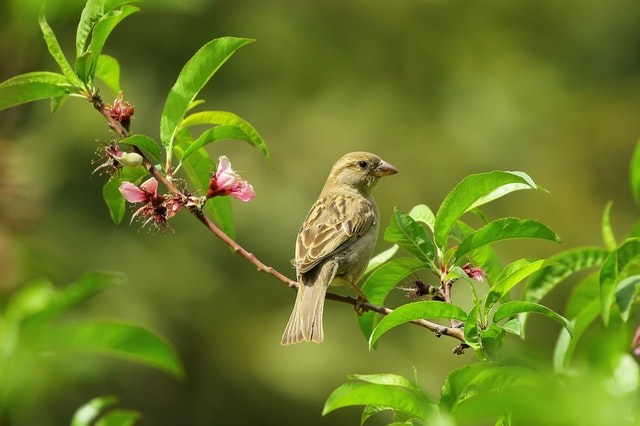
Likewise, birds too provide benefits to a garden. Like insects, they provide natural pest control and protection for gardeners, as they consume a variety of insects such as: aphids, mosquitoes and spiders that may not be welcomed in the garden. Birds also provide flower pollination. Birds that sip on flower nectar such as hummingbirds and orioles are efficient pollinators of garden flowers. This can provide flowers in a garden an added colour boost from extra blooms, which will, in turn, attract even more birds.
Natural tillers: Birds helps in ploughing or tilling the garden soil with their beaks, whenever they are looking for earthworms and other insects, thus helping in aerating the soil to be more enriched in minerals and have a potential for better plant growth.
Food Sharing: Planting fruits trees like apples, peaches, plums, berry-producing shrubs etc., can help in attracting birds that will help in the pollination and maturation of such trees, thus providing you with fresh and delicious baskets of fruits after every harvest.
Bird droppings as Natural Fertilizers: Spreading bird seed over the garden leaf mulch in early spring to attract birds will allow them to dig/peck for the seeds in the leaves aerating the mulch, and leave behind copious amounts of droppings which will act as fertilizers, thus accelerating the decomposition process and give your plants nutrition for better growth (5).
“Fertilizer does no good in a heap, but a little spread around works miracles all over” – Richard Brinsley Sheridan
BENEFICIAL BATS
Bats too play critical roles in the local ecosystem and provides benefits to the garden. While some bats are pollinators, others are insectivors, that eat insects. Incredibly, in one night alone, one single insect-eating bat can consume 60 medium-sized moths or over 1,000 mosquito-sized insects. That’s impressive insect control! Bats eat garden pests after sunset, while others continue the work of pollination when the bees, and other insects have left. In particular, in tropical and desert climates, bats serve as important pollinators. Bats are typically interested in flowers that are large, open at night, are white or pale colours and emit a musty or rotten scent. Bats are especially important pollinators of desert plants such as cacti and agave, but they also pollinate a lot of rainforest vegetation. For example, over 500 species of fruits and vegetable rely on bats to pollinate their flowers. Produce that we humans enjoy such as avacados, bananas, carob, cashews, cloves, dates, durian, figs, guava, mangoes, and peaches owe much of their existence to bats pollinating them at night.
As science has demonstrated and how we ourselves have experienced, spending time in nature such as in a nature-based garden, reduces stress, elevates mood, promotes physical and psychological recovery and supports spiritual wellness. In turn, nature-based gardens support biodiversity by creating a habitat for creatures to visit and live in, and plants to feed on, thus fostering the interconnected relationship that we all share on this planet. For more information, check out this website’s tabs on “Gardens and Human Health” and “Biological Diversity.”
With this in mind, the biodiverse wellness garden model was created. It focuses on taking natural elements that support human wellness and biodiversity into designing and creating a garden. Instead of viewing biodiversity and human wellness as separate, this type of garden offers a holistic approach to supporting both wildlife and human wellness.
A customized, comprehensive expert garden plan is available from biodiversewellnessgardens.com. These garden plans are custom designed to meet your vision, needs and budget. This service also designs biodiverse wellness gardens for specific uses. Our key goal is to offer a service that designs a garden, which both humans and biodiversity will enjoy! Please visit the “Contact” tab to connect with us to design your own Biodiverse Wellness Garden!
REFERENCES
1. Horton, Robin. “Insect Hotels.” Resilience. https://www.resilience.org/stories/2016-03-01/insect-hotels/
2. Slavikova, Popescu, Sara. “Why You Need Insect Houses for the Garden?” Greentumble.com. April 26, 2018. https://greentumble.com/why-you-need-insect-houses-for-the-garden/
3. Horton, Robin. “Insect Hotels.” Resilience. https://www.resilience.org/stories/2016-03-01/insect-hotels/
Slavikova, Popescu, Sara. “Why You Need Insect Houses for the Garden?” Greentumble.com. April 26, 2018. https://greentumble.com/why-you-need-insect-houses-for-the-garden/
4. Mayntz, Melissa. “Benefits of Attracting Birds.” The Spruce. January 15, 2020. https://www.thespruce.com/benefits-of-attracting-birds-386399
5. Green My Life. “Benefits of Inviting Birds to Your Garden.” April 6, 2017 https://www.greenmylife.in/benefits-inviting-birds-garden/
CONTINUE EXPLORING RELATED ARTICLES:
Meaning & Importance of Biological Diversity
Policy Overview & Present Day Commitments
Gardens’ Role in Supporting Biodiversity
Biodiversity Benefits Gardening
Nature’s Healing Abilities on Human Health
Creating a Biodiverse Wellness Garden
Please support this website by making a donation. Your kindness is most appreciated!
Make a monthly donation
Make a yearly donation
Choose an amount
Or enter a custom amount
Your contribution is appreciated.
Your contribution is appreciated.
Your contribution is appreciated.